Label facts · Glossary
SynoCell Ingredients Glossary: Label Terms From A to Z
This SynoCell ingredients glossary explains label terms in plain English, from ASU and BioPerine to INR, serving size and standardized. Each entry uses only what this site has published about SynoCell. Terms are grouped from A to Z so you can find a word fast and bring the list to your pharmacist.
Written by the SynoCell editorial teamMedically reviewed by Dr. Nehad Soloman, MD, FACR, PhysicianReviewed · Updated · 8 min read
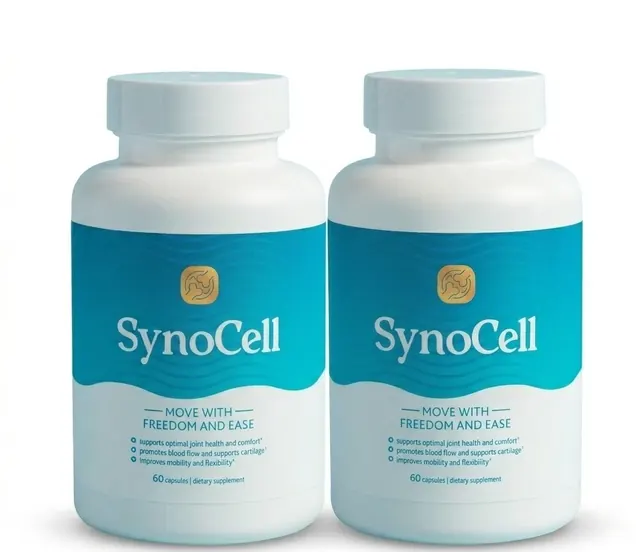
Key facts
Labels are full of short words that hide long ideas. This SynoCell ingredients glossary turns them into plain English. It covers the words on the bottle and the words used in this site's guides. Every entry sticks to what the site has published about SynoCell.
- Terms are listed from A to Z in four groups.
- Each entry is tied to the SynoCell label or to a caution on this site.
- Amounts quoted are per serving of 2 capsules.
- No trial has tested the SynoCell combination.
- Bring this list to your pharmacist if a term raises a question.
- Anything not published is marked as not published.
What does the SynoCell ingredients glossary cover?
It covers three kinds of words. The first kind sits on the label: serving size, servings per container, Daily Value and the five ingredient names. The second kind sits in the cautions: INR and interaction. The third kind sits in the quality notes: lot, certificate of analysis and proprietary blend. The entries are short on purpose.
Where the site publishes nothing, the entry says so. That keeps the glossary honest. It also marks the places where a question to the brand would help.
Glossary A to C: active ingredient, ASU, BioPerine, boswellic acid, capsule, certificate of analysis
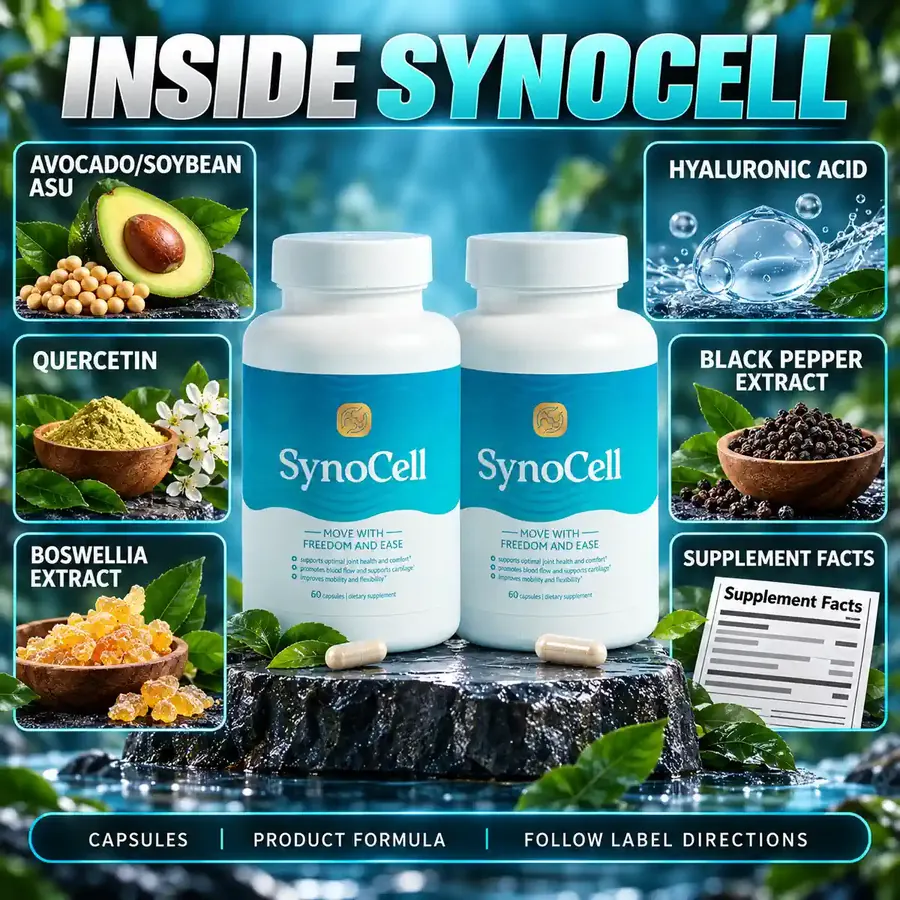
- Active ingredient. A part of the product that the brand names on the panel with an amount. SynoCell has five.
- Absorption aid. A helper added so other ingredients get into the blood. Black pepper extract is the one in SynoCell.
- ASU. Avocado/soybean unsaponifiables, a small fraction of avocado and soybean oils. SynoCell lists 310 mg. It comes partly from soy.
- BioPerine. A branded piperine extract. SynoCell lists Black Pepper (fruit) Extract (BioPerine) at 5 mg.
- Boswellic acids. The active compounds in Boswellia resin. SynoCell's extract is standardized to 65% boswellic acid. The share that is AKBA is not published.
- Capsule. The shell that holds the powder. The shell type, gelatin or plant, is not published.
- Certificate of analysis (CoA). A lab report on a batch. None is posted. The seller's CoA code is a reference number, not lab proof.
Glossary D to I: Daily Value, extract, flavonoid, hyaluronic acid, INR, interaction
- Daily Value (DV). An official daily target shown as a percent. Daily Value is not established for the SynoCell ingredients, so the panel shows none.
- Extract. A concentrated form made from a plant. Boswellia and black pepper in SynoCell are extracts.
- Flavonoid. A group of plant pigments. Quercetin is a flavonoid found in onions, apples and tea.
- Hyaluronic acid. A sugar-like molecule your body already makes. It is part of joint fluid. SynoCell lists 180 mg. Swallowed hyaluronic acid is not the same as an injection.
- INR. A blood test that tracks clotting time. A raised INR was reported in a man on warfarin who took quercetin.
- Interaction. A change in how a medicine works because of something else you take. Quercetin and black pepper extract have known ones.
Glossary L to P: lot, mg, other ingredients, piperine, proprietary blend
- Lot. A batch code. The seller gives SC-26/SY-6168 as a reference. It is not lab proof.
- mg. Milligram, a thousandth of a gram. All SynoCell amounts are in milligrams.
- Other ingredients. Parts that are not active, such as a shell, filler or coating. For SynoCell they are not published.
- Piperine. The compound in black pepper that gives it bite and helps absorption. It can raise the blood levels of some medicines.
- Proprietary blend. One total weight for several ingredients, so you cannot see each amount. SynoCell does not use one.
If the terms now make sense, the order page shows the price, the total and the 90-day guarantee before you pay.From $39 a bottle in the 6-pack. Free standard shipping in the mainland U.S. We earn money when you buy through our order links.
See today's price and guaranteeGlossary Q to Z: quercetin, serving size, standardized, Supplement Facts, unsaponifiables
- Quercetin. A plant flavonoid. SynoCell lists 310 mg. It has no human joint trials and several drug interactions.
- Serving size. How much counts as one portion. For SynoCell it is 2 capsules.
- Servings per container. How many portions a bottle holds. For SynoCell it is 30.
- Standardized. Made to contain a set share of a compound. SynoCell's Boswellia is standardized to 65% boswellic acid.
- Supplement Facts. The panel on a supplement that lists serving size, ingredients and amounts.
- Unsaponifiables. The part of an oil that stays behind when the rest is turned into soap. It is the U in ASU.
Which glossary words matter most for safety?
Five words do most of the work. INR matters if you take warfarin, because a raised INR was reported in a man who took quercetin. Interaction matters for everyone on daily medicines, because quercetin and black pepper extract can change how some drugs work. Piperine and BioPerine are the same idea under two names, and the amount, 5 mg, is lower than the study doses of 15 to 20 mg but above one cautious German guidance value.
Unsaponifiables matters if you have a soy allergy, because ASU is made partly from soy. Other ingredients matters if you follow a diet, because the capsule shell and fillers are not published. Learn those five words and you can read most of the cautions on this site without help.
The remaining words are there for comfort. Serving size, servings per container and Daily Value explain the layout of the panel. Standardized and extract explain why a plant ingredient is listed by the weight of the extract and not by the weight of the plant. Lot and certificate of analysis explain the quality notes.
How do you use the SynoCell ingredients glossary at the pharmacy?
Print or screenshot the entries that matter to you. Bring the bottle. Point to the line on the label and say the term out loud. For example: "This says black pepper extract, BioPerine, 5 mg. Does it matter for my medicines?" A pharmacist will find the question easy to answer.
Add one line about your own situation: blood thinner, seizure medicine, kidney disease or soy allergy. Those are the four cautions on this site that most often change the answer. Our side effects page lists them with the reason behind each.
What terms does the SynoCell ingredients glossary leave out?
Any term the brand does not use. There is no entry for a gelatin shell because the shell is not stated. There is no entry for an allergen line because none is published. There is no entry for a country of origin because it is not given.
If you spot a term on your own bottle that is not here, send it to the brand at [email protected] and ask what it means. You can also read our guide to reading a joint supplement label, which covers label terms for any joint product.
FAQ
Frequently asked questions
What does ASU mean on the SynoCell label?
Avocado/soybean unsaponifiables, a small fraction of avocado and soybean oils. SynoCell lists 310 mg and it comes partly from soy.
What is BioPerine?
A branded piperine extract from black pepper. SynoCell lists 5 mg per serving. It helps absorption and can raise the blood levels of some medicines.
What does standardized mean on a label?
The extract is made to contain a set share of a compound. SynoCell's Boswellia is standardized to 65% boswellic acid.
What is a serving?
The portion the panel uses. For SynoCell it is 2 capsules, and a bottle holds 30 servings.
What is INR?
A blood test that tracks clotting time. It matters if you take warfarin. Ask your prescriber before using quercetin.
Why does the glossary say not published so often?
Because the brand store does not publish the item, and this site does not guess.
Our view
A glossary will not make a supplement better or worse. It does make a label easier to read, and it gives you words to use when you ask a pharmacist a question.
The most useful entries are the ones that mark a gap: other ingredients, capsule shell, lot and certificate of analysis. Those are the places where an email to the brand adds real information.
SynoCell is a dietary supplement, not a drug and not FDA approved. No trial has tested the combination.
Back to the SynoCell home page or the blog index.
Last updated
Now that the label is clear, the order page shows today's price, the total and the guarantee.From $39 a bottle in the 6-pack. Free standard shipping in the mainland U.S. We earn money when you buy through our order links.
See today's price and guaranteeWho wrote this
Written and reviewed by
Plain-language pages built from the label, the brand store and linked medical sources.
Last updated . Read our editorial standards and how we check reviews. This website is run by an authorized U.S. retailer, not by the manufacturer. We earn money when you buy through our order links.
USA authorized SynoCell retailer
Ready to try SynoCell?
Pick a pack. Two capsules a day, and the 90-day money-back policy gives you three months to decide.
- Secure checkout
- 90-day money-back policy
- Ships from the U.S. with tracking