Ingredient research
Oral hyaluronic acid vs hyaluronic acid injections: what is the difference?
Swallowed hyaluronic acid is a supplement capsule; injections put HA straight into the knee. Small oral studies used 48-240 mg a day with mixed results (Oe et al., 2016) (Guadagna et al., 2018). One 12-month trial helped only people aged 70 or younger (Tashiro et al., 2012). The ACR conditionally recommends against knee injections (ACR, 2026 OA guideline summary). SynoCell lists 180 mg.
Written by the SynoCell editorial teamUpdated · 8 min read
What is hyaluronic acid, and why is it linked to joints?
Hyaluronic acid, or HA, is a slippery sugar molecule your body makes. It is a natural part of the fluid inside your joints.
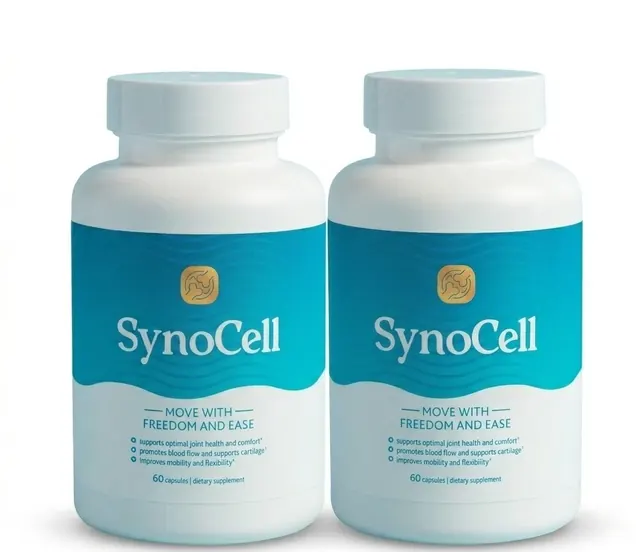
Because of that, HA is used in two very different ways for knee osteoarthritis. A doctor can inject it into the knee. Or you can swallow it in a supplement, as in SynoCell, which lists 180 mg per 2-capsule serving.
The name is the same, but the route, dose and evidence are not.
How are oral HA and HA injections different?
Almost everything differs except the name of the molecule.
| Oral HA (capsules) | Injected HA (knee shots) | |
|---|---|---|
| How you get it | Swallowed daily, like SynoCell's 180 mg | Injected into the joint by a clinician |
| Doses studied | 48-240 mg a day (Oe et al., 2016) | Set by the product and your doctor |
| Main evidence | Small trials, often mixtures, several maker-linked (Oe et al., 2016) | Reviewed by the American College of Rheumatology |
| Guideline view | Not addressed by the ACR | Conditionally recommended against for the knee (ACR, 2026 OA guideline summary) |
| Regulated as | Dietary supplement, not FDA approved (FDA, Questions and Answers on Dietary Supplements) | A medical treatment given in a clinic |
So a study about knee shots tells you nothing about capsules, and the reverse is true too. When you read a claim about HA, first ask which kind it means.
Does swallowed hyaluronic acid help knee pain?
Maybe a little, but the studies are small. A 2016 review found 13 human studies using 48 to 240 mg a day, lasting 2 weeks to 12 months (Oe et al., 2016).
- Most reported less knee pain, but most were small, often under 40 people (Oe et al., 2016).
- Many tested HA mixed with other ingredients, so HA's own effect is hard to see.
- Several authors were linked to an HA manufacturer, and no minimum effective dose is set.
- A 2018 systematic review of 15 reports found better pain and function scores, but objective results were modest and inconsistent (Guadagna et al., 2018).
That review asked for larger, longer trials with a set dose and molecular weight (Guadagna et al., 2018). SynoCell's label does not state the molecular weight of its HA.
What is the age-70 finding in the oral HA trial?
In the best oral HA trial, HA beat placebo only in people aged 70 or younger. This was the 12-month study by Tashiro and colleagues (Tashiro et al., 2012).
Sixty adults with knee osteoarthritis took 200 mg of HA a day or a placebo. Everyone also did daily thigh-strengthening exercise.
Why this result matters
Both groups got better, likely thanks to the exercise. HA added a benefit only in the younger subgroup. If you are over 70, this trial gives little reason to expect a gain from oral HA.
SynoCell's 180 mg is close to that 200 mg dose. Our who it's for page covers age and other fit questions.
What does the ACR say about hyaluronic acid injections?
It advises against them, with a conditional rating for the knee. The 2026 American College of Rheumatology summary, approved September 8, 2026, kept that position (ACR, 2026 OA guideline summary).
The 2019 guideline was firmer for the hip, where it strongly recommended against HA injections (Kolasinski et al., 2020 (ACR/AF 2019 guideline)). A conditional rating means some people and doctors may still choose a shot after talking it through.
The ACR did not rate oral HA at all. So nothing in the guideline supports or rules out SynoCell's capsule form. Our article on the 2026 ACR guideline covers what it does recommend.
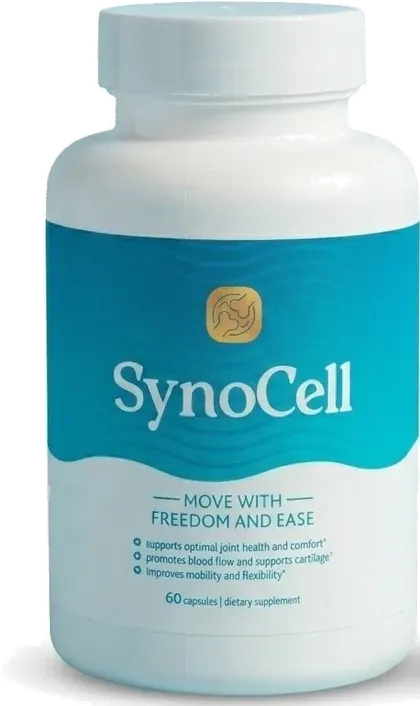
Try SynoCell with a 90-day window2 capsules a day · from $39 a bottle · free standard U.S. shipping
Order nowCould a supplement with oral HA suit you?
These five questions cover the main reasons to skip SynoCell or ask a doctor first.
What should you ask your doctor about HA?
Bring your pill bottles and these questions to your next visit.
Is my pain really osteoarthritis?
Other problems can look similar and need different care.
Would exercise or weight loss help me more?
Both are strongly recommended for knee osteoarthritis (ACR, 2026 OA guideline summary).
Is an HA shot worth it for me?
Ask why, given the guideline's conditional advice against it.
Is it safe with my medicines?
SynoCell also contains quercetin and black pepper extract, which can affect some drugs.
A suddenly hot, red, swollen joint or joint pain with fever needs urgent care the same day (MedlinePlus, Septic arthritis).
So is oral HA a substitute for injections?
No. They are different treatments with different evidence. Oral HA is a small, uncertain extra that may suit people aged 70 or younger. Compare it with the other ingredients on our hyaluronic acid page.
FAQ
Questions people ask about oral HA
Does oral hyaluronic acid work for knees?
It might help a little. Small studies using 48 to 240 mg a day mostly reported less knee pain, but many were tiny, mixed HA with other ingredients, or had authors linked to an HA maker. Objective results were modest and inconsistent, so treat it as an uncertain extra (Oe et al., 2016) (Guadagna et al., 2018).
Is oral hyaluronic acid as good as a knee injection?
They cannot be compared directly. No trial cited here tested capsules against shots. Injections put HA into the joint, while capsules are swallowed. The ACR conditionally recommends against knee injections and does not address oral HA, so neither has strong guideline support (ACR, 2026 OA guideline summary).
How much oral hyaluronic acid should I take for joints?
Studies used 48 to 240 mg a day, and no minimum effective dose has been set. The longest trial used 200 mg a day for 12 months. SynoCell lists 180 mg per 2-capsule serving, which falls inside the studied range (Oe et al., 2016) (Tashiro et al., 2012).
Does oral hyaluronic acid work for people over 70?
The evidence says probably not much. In a 12-month trial of 200 mg a day plus exercise, HA beat placebo only in people aged 70 or younger. Older participants improved about the same as those on placebo, likely from the exercise itself (Tashiro et al., 2012).
Why does the ACR recommend against hyaluronic acid injections?
The 2026 ACR summary conditionally recommends against injected HA for the knee, and the 2019 guideline strongly recommended against it for the hip. A conditional rating means the expected benefit is uncertain, so some patients may still choose it after talking with their doctor (Kolasinski et al., 2020 (ACR/AF 2019 guideline)) (ACR, 2026 OA guideline summary).
How long does oral hyaluronic acid take to work?
Studies ran from 2 weeks to 12 months, and most short ones lasted 1 to 4 months. A fair test is a few months of steady use alongside exercise. SynoCell's money-back window is 90 days, so track your knees and decide before it ends (Guadagna et al., 2018) (SynoCell, shipping and refund policy).
Is hyaluronic acid in supplements safe?
Oral HA studies were mostly small and short, so long-term safety data are limited. In SynoCell, the bigger safety questions come from quercetin and black pepper extract, which can interact with some medicines. Check with your pharmacist if you take daily prescriptions (Oe et al., 2016) (RxList, Quercetin).
Who wrote this
Written and reviewed by
Plain-language pages built from the label, the brand store and linked medical sources.
Last updated . Read our editorial standards and how we check reviews. This website is run by an authorized U.S. retailer, not by the manufacturer. We earn money when you buy through our order links.
Keep reading
More about SynoCell
Hyaluronic acid
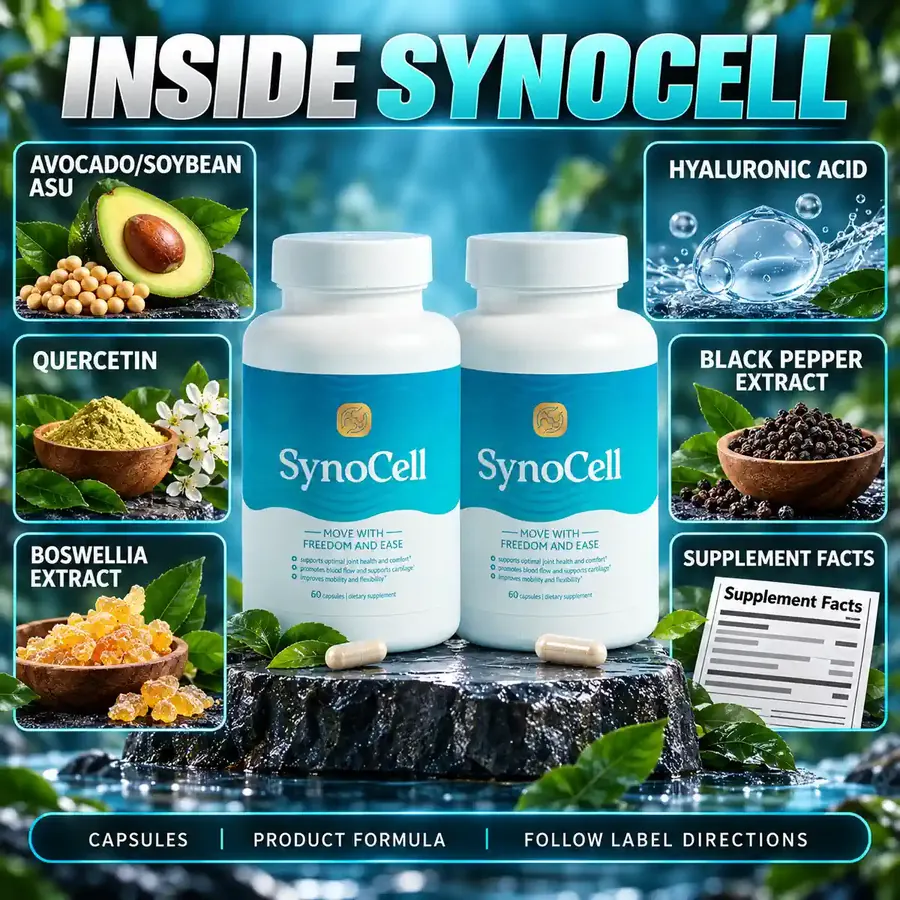
180 mg of oral hyaluronic acid: trial doses, the age-70 result, and how it differs from injections.
Read moreWho it's for
A quick fit check: who may suit SynoCell, who should skip it, and who should ask a doctor first.
Read moreACR 2026 osteoarthritis guideline
Tai chi moves to conditional, glucosamine stays out, fish oil and vitamin D join the no list. What it means for buyers.
Read moreUSA authorized SynoCell retailer
Ready to try SynoCell?
Pick a pack. Two capsules a day, and the 90-day money-back policy gives you three months to decide.
- Secure checkout
- 90-day money-back policy
- Ships from the U.S. with tracking